- Altitude physiology: The percentage of oxygen remains 20.9% at all elevations, but barometric pressure drops, delivering fewer oxygen molecules per breath.
- Early recognition: A persistent headache accompanied by nausea, loss of appetite, or fatigue above 8,000 ft is AMS until proven otherwise.
- The Golden Altitude Rule: Never ascend with symptoms of altitude sickness; if symptoms progress, immediate physical descent is the single life-saving cure.
- Acclimatization pace: Limit sleeping altitude gains to no more than 1,000 to 1,500 feet per day once past 10,000 feet.
- Yeti Adventure protocol: Our guides conduct twice-daily pulse oximeter readings and carry emergency oxygen cylinders on every high-altitude departure.
Understanding the Thin Air of Garhwal
As you trek higher into the Himalayas of Uttarakhand—such as reaching Tapovan (14,200 ft), Kedartal (15,485 ft), or Darwa Top (13,500 ft)—your body enters an environment of significantly reduced barometric pressure. At sea level, atmospheric pressure is approximately 101.3 kPa. At 14,000 feet, pressure drops by nearly 40%.
Contrary to popular belief, the air does not lose oxygen percentage; air remains composed of roughly 20.9% oxygen everywhere. However, because the molecules are spread further apart, each breath delivers far fewer oxygen molecules into your alveoli, causing arterial hypoxia.
Acclimatization is the natural physiological adaptation through which your body compensates across distinct time horizons:
- 1Immediate Response (0 to 24 Hours): Hyperventilation increases oxygen intake, heart rate elevates, and the kidneys excrete bicarbonate in urine to restore acid-base balance.
- 2Intermediate Adaptation (4 to 7 Days): The kidneys release Erythropoietin (EPO), stimulating bone marrow to produce additional red blood cells. Levels of 2,3-diphosphoglycerate (2,3-DPG) rise, accelerating oxygen unloading into working muscle tissues.
- 3Long-Term Remodeling (Beyond 7 Days): Capillary angiogenesis expands blood vessel networks within skeletal muscles and pulmonary tissue, significantly easing cardiovascular strain.
The Altitude Illness Spectrum: AMS, HAPE & HACE
| Condition | Primary Mechanism | Early Warning Symptoms | Critical Emergency Signs | Action Protocol |
|---|---|---|---|---|
| AMS (Acute Mountain Sickness) | Mild cerebral edema from hypoxic vasodilation | Dull frontal headache, loss of appetite, nausea, restless sleep | Vomiting, persistent throbbing headache unresponsive to painkillers | Halt ascent. Rest, hydrate, consider Diamox. If symptoms persist >24h, descend 1,500 ft. |
| HAPE (High Altitude Pulmonary Edema) | Fluid buildup in lung alveoli due to elevated pulmonary pressure | Breathlessness after minimal exertion, fatigue, dry cough | Breathlessness at complete rest, wet gurgling cough, blue lips/nails, pink frothy sputum | Immediate emergency descent. Administer supplemental oxygen; keep trekker warm and upright. |
| HACE (High Altitude Cerebral Edema) | Severe brain swelling caused by fluid leakage across blood-brain barrier | Severe headache, lethargy, irrational behavior, apathy | Ataxia (loss of balance; inability to walk straight line heel-to-toe), severe confusion, coma | Immediate emergency descent. Medical emergency; administer Dexamethasone, oxygen, and evacuate. |
The Lake Louise Scoring System (Self-Check Guide)
To assess AMS objectively, mountain medicine relies on the Lake Louise Score. You rate symptoms from 0 (none) to 3 (severe):
- 1Headache: 0 = None; 1 = Mild; 2 = Moderate; 3 = Severe/incapacitating.
- 2Gastrointestinal Symptoms: 0 = Normal appetite; 1 = Poor appetite/mild nausea; 2 = Moderate nausea/occasional vomiting; 3 = Severe nausea/frequent vomiting.
- 3Fatigue / Weakness: 0 = Normal energy; 1 = Mild fatigue; 2 = Moderate weakness; 3 = Severe weakness/incapacitated.
- 4Dizziness / Lightheadedness: 0 = None; 1 = Mild; 2 = Moderate; 3 = Severe/vertigo.
Clinical Assessment:
- Score 1–2: Mild altitude response. Rest at current altitude, drink electrolyte fluids, monitor closely.
- Score 3–5: Mild-to-moderate AMS. Strict prohibition on further ascent.
- Score 6+: Severe AMS. Immediate descent of at least 1,500–2,000 feet to a lower camp.
The Golden Altitude Rules of Himalayan Trekking
- 1Rule 1: Any sickness at altitude is altitude sickness until proven otherwise. Do not attribute high-altitude headaches to dehydration, sunstroke, or lack of sleep without ruling out AMS first.
- 2Rule 2: Never ascend to sleep at a higher camp while displaying symptoms of AMS. It is entirely safe to stay at your current campsite to acclimatize, but climbing higher with active symptoms invites severe HAPE or HACE.
- 3Rule 3: If symptoms worsen, descent is mandatory. Descent is not a failure; it is the single most reliable, definitive medical cure. A descent of just 1,500 to 2,000 vertical feet rapidly reverses hypoxia.
Proven Acclimatization Practices
1. Climb High, Sleep Low (*Acli-Walks*)
After reaching camp in the afternoon, rest for 30 minutes, then hike 300 to 500 feet higher without a heavy backpack. Sit at the higher vantage point for 30–45 minutes, breathe deeply, and return down to camp to sleep. This exposes your body to lower oxygen tension and then returns it to a richer environment for recovery.
2. The 4-Liter Hydration Standard
Cold alpine air is exceptionally dry, accelerating moisture loss through respiration. Furthermore, acclimatization causes mild natural diuresis. Trekkers must drink between 3.5 and 4.5 liters of fluids daily (combining water, electrolyte solutions, ginger-lemon tea, and garlic soup). Check your urine color: it should stay pale clear or straw-colored.
3. Nutrition & Carbohydrate Loading
At high elevations, metabolism shifts to burn carbohydrates, which require 10% less oxygen to metabolize than fats or proteins. Eat warm, freshly prepared mountain meals high in complex carbs (dal, rice, oats, potatoes, roti). Avoid alcohol and sleeping pills, as both depress the respiratory drive during sleep.
The Diamox (Acetazolamide) Protocol Explained
Diamox is a carbonic anhydrase inhibitor. It forces the kidneys to excrete bicarbonate, creating mild metabolic acidosis in the blood. This signals the brain's respiratory center to increase ventilation rate—especially during sleep, preventing the periodic shallow breathing (*Cheyne-Stokes respiration*) common at altitude.
- Preventive Usage: 125 mg taken twice daily, starting 24 hours prior to ascending past 9,000 ft.
- Common Harmless Side Effects: Tingling sensations in fingers, toes, and lips (*paresthesia*), and increased urination frequency.
- Contraindications: Anyone with a known allergy to sulfa-based medications must avoid Diamox. Always consult your personal physician before your trek.
Yeti Adventure On-Trail Safety Protocol
Our safety foundation is built on local mountain leadership trained at the Nehru Institute of Mountaineering (NIM) in Uttarkashi:
- 1Twice-Daily Health Logs: We measure and record resting heart rate and blood oxygen saturation (SpO2) for every trekker every morning and evening.
- 2Emergency Oxygen on Every Expedition: Every high-altitude team carries medical oxygen cylinders with regulator masks to high camps.
- 3Local Evacuation Network: Deep familiarity with Garhwal trail networks, local mule operators, and direct communication links to the District Disaster Management Authority (DDMA) in Uttarkashi.

Yeti Adventure Mountain Operations Desk
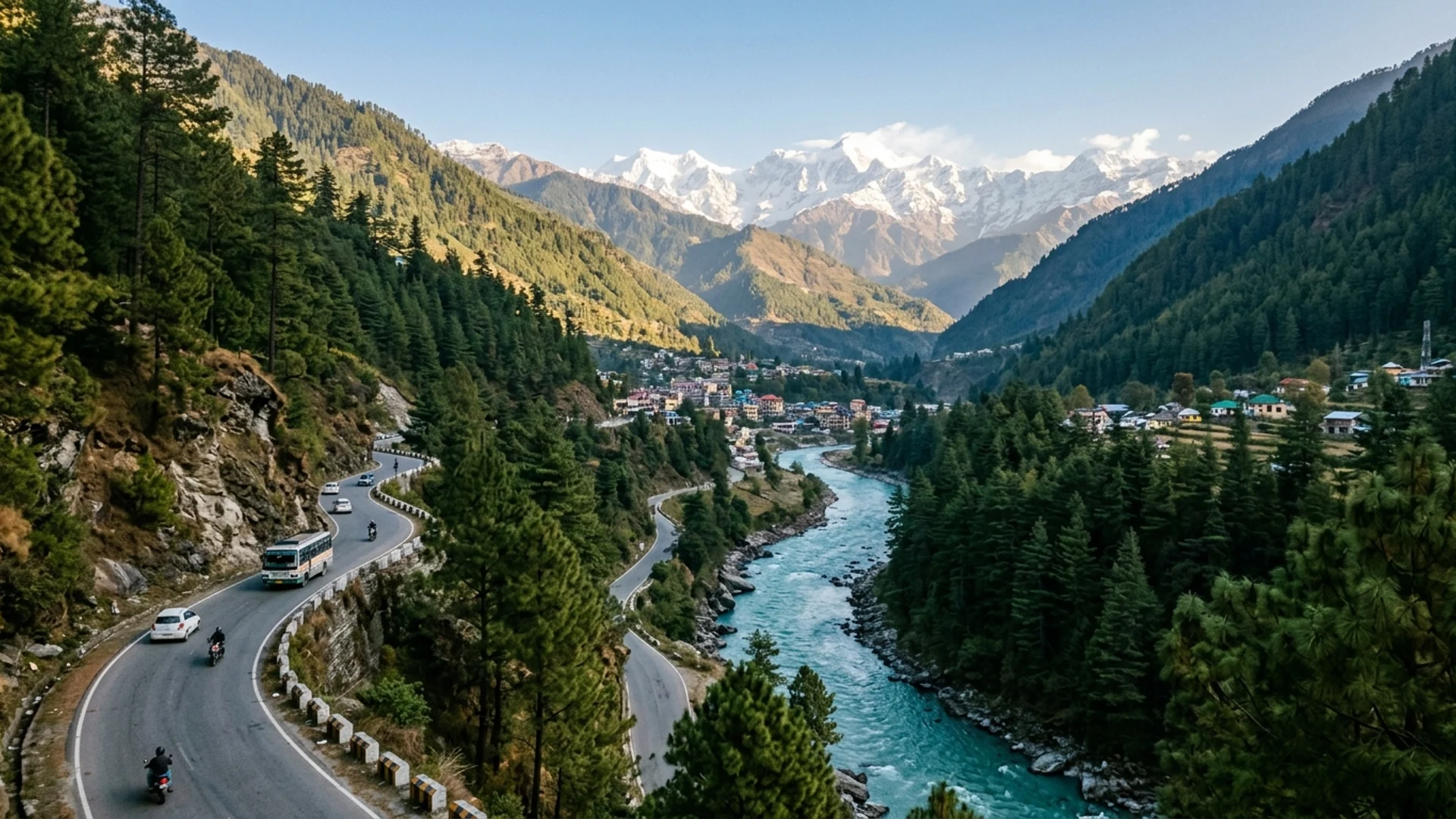
Headquartered at Joshiyara, Uttarkashi along the Bhagirathi River. Led by local mountain pioneers and certified leaders from the Nehru Institute of Mountaineering (NIM), high-altitude first responders, and native Garhwali route guides stationed across Gangotri, Sankri, and Harsil.

Uttarkashi Mountain Operations
Connect directly with local mountain veterans for verified road status, shared Maxx departures, permit guidance, and route advice.
NIM-Certified Mountain Leaders
& Local Garhwali Guides
Daily, 8:00 AM – 8:00 PM IST
Joshiyara, Uttarkashi