How do I reach Uttarkashi from New Delhi or Dehradun?
From Dehradun, shared Maxx cabs depart early morning from Rispana Pul (5:30 AM to 12:30 PM, ₹400–₹550), and UTC hill buses leave from Dehradun Hill Bus Station (₹280–₹350). The drive takes approximately 5.5 to 6.5 hours along NH 34 via Rishikesh-Chamba or via Mussoorie-Chinyalisaur. From New Delhi, take the morning Vande Bharat Express or overnight Nanda Devi AC Express to Haridwar/Dehradun, then connect to hill transport.
What permits are mandatory for treks in Uttarkashi and Garhwal?
Protected national parks like Gangotri National Park (Gaumukh Tapovan and Kedartal) require an advance Forest Department permit with a strict daily quota cap of 150 persons per day, a government photo ID, a certified MBBS doctor medical fitness certificate within 30 days, trekker insurance, and a registered local guide. Reserve forest trails like Dayara Bugyal require on-arrival checkpost registration and nominal Van Panchayat camping fees at Raithal or Barsu.
Which season is best for trekking in Uttarakhand?
Autumn (mid-September to November) offers the clearest skies with visibility over 100 km and stable trail conditions. Spring (mid-March to April) features full rhododendron forest blossoms and lingering snow on passes. Summer (May to June) opens high-altitude passes above 14,000 ft like Gaumukh Tapovan and Bali Pass. Winter (December to February) offers deep-snow trekking on Dayara Bugyal and Kedarkantha.
What is the recommended layering system for Himalayan treks?
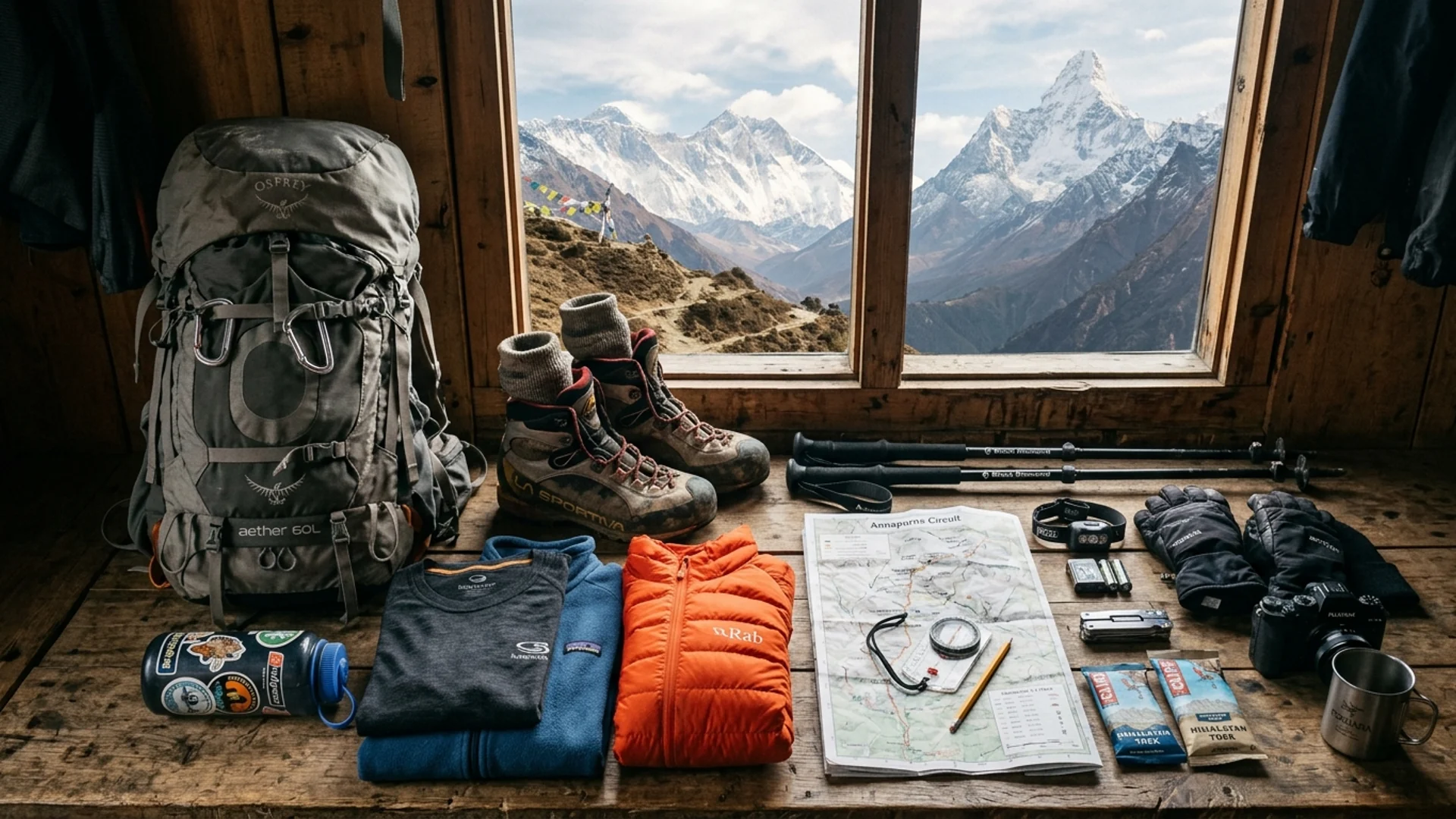
Follow the scientific 3-layer system: a moisture-wicking synthetic or merino wool base layer (never cotton, which retains sweat and induces chills), an insulating fleece and 700-fill down jacket mid-layer, and a waterproof/windproof outer shell with minimum 10,000 mm hydrostatic head. High-ankle trekking shoes with deep lug soles and Category 3 or 4 UV sunglasses are essential.
 Destinations10 min read