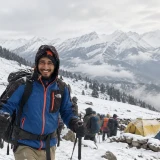
- Spring (Mid-March to April): Rhododendron forests in full bloom, mild daytime temperatures (12°C to 18°C), and snow patches above 10,500 ft.
- Summer (May to June): High-altitude passes and glacial routes like Gaumukh Tapovan, Kedartal, and Bali Pass become fully accessible.
- Autumn (Mid-September to November): The clearest skies of the entire year with virtually zero atmospheric haze, offering 100+ km mountain visibility.
- Winter (December to February): Heavy snowfall transforms Dayara Bugyal, Kedarkantha, and Kuari Pass into premier winter snow trails.
- Monsoon (July to August): Rains bring lush valleys but require careful route selection; rain-shadow areas like Nelang Valley and Gartang Gali offer unique options.
The Four Mountain Personalities of Garhwal
Unlike lowland destinations with simple weather seasons, the Himalayas in Uttarakhand experience distinct meteorological phases. The very same meadow—such as Dayara Bugyal at 12,000 feet—presents itself as an alpine snowscape in January, a wildflower garden in May, a verdant green pasture in July, and a golden savannah beneath crisp skies in October.
Selecting the right time for your trek depends on your mountain goals: deep winter snow, rhododendron blossoms, high glacial passes, or sharp Himalayan panorama photography.
Comprehensive Month-by-Month Weather & Trail Matrix
| Month | Season | Meadow Elevation (8,000–12,000 ft) | High Camp Elevation (12,000–15,500 ft) | Trail Condition | Recommended Treks |
|---|---|---|---|---|---|
| Jan – Feb | Peak Winter | Day: 4°C to 8°C | Night: -8°C to -15°C | Deep snow (2–5 ft); microspikes required | Kedarkantha, Dayara Bugyal Snow, Kuari Pass |
| March | Early Spring | Day: 10°C to 15°C | Night: -3°C to -7°C | Snow melting on south faces; rhododendrons bud | Dayara Bugyal, Deoriatal Chandrashila |
| April | Peak Spring | Day: 14°C to 19°C | Night: 0°C to 4°C | Forests erupt in crimson & pink; clear trails | Dayara Bugyal, Ali Bedni, Har Ki Dun |
| May | Early Summer | Day: 16°C to 22°C | Night: 3°C to 8°C | Glacial routes open; fresh alpine greenery | Gaumukh Tapovan, Har Ki Dun, Bali Pass |
| June | Summer | Day: 18°C to 24°C | Night: 5°C to 10°C | Warm days; highest passes accessible | Gaumukh Tapovan, Kedartal, Rupin Pass |
| Jul – Aug | Monsoon | Day: 17°C to 21°C | Night: 7°C to 12°C | Heavy showers in lower hills; vibrant meadows | Valley of Flowers, Nelang Valley, Gartang Gali |
| September | Late Monsoon / Early Autumn | Day: 15°C to 20°C | Night: 2°C to 6°C | Rains clear by mid-month; crisp air begins | Gaumukh Tapovan, Dayara Bugyal, Kedartal |
| October | Peak Autumn | Day: 12°C to 17°C | Night: -2°C to -6°C | Cleanest mountain views of the entire year | Gaumukh Tapovan, Kuari Pass, Dayara Bugyal |
| November | Late Autumn / Pre-Winter | Day: 8°C to 14°C | Night: -5°C to -10°C | Golden meadows; first winter dustings at passes | Dayara Bugyal, Kedarkantha, Kuari Pass |
| December | Early Winter | Day: 5°C to 10°C | Night: -7°C to -12°C | Fresh powdery snow covers trails above 8,500 ft | Kedarkantha, Dayara Bugyal Snow Trek |
Ecological Elevation Zones of the Garhwal Himalayas
Trekking conditions in Uttarakhand vary systematically by vertical elevation band:
- 1Sub-Tropical Valley Zone (Below 5,000 ft / 1,500 m):
- Characteristics: River valleys of the Bhagirathi, Alaknanda, and Tons. Warm temperatures (22°C to 30°C in summer) with chir pine forests and terraced paddy fields.
- 1Temperate Montane Forest Zone (5,000 to 9,500 ft / 1,500 to 2,900 m):
- Characteristics: The heart of Uttarakhand's forest belt. Dense groves of banj oak (*Quercus leucotrichophora*), moru oak, Himalayan deodar cedar, and tree rhododendrons (*Buransh*). Optimal shade and oxygen-rich air.
- 1Sub-Alpine Bugyal Meadow Zone (9,500 to 12,500 ft / 2,900 to 3,800 m):
- Characteristics: The legendary high pastures of Garhwal: Dayara, Ali Bedni, and Gidara. Perennial grasses, alpine wildflowers (potentilla, gentians, anemones), and bhojpatra (Himalayan birch) stands. Snow-covered in winter, vivid green in summer, rich amber-gold in autumn.
- 1Alpine Glacial & Moraine Zone (12,500 to 17,000+ ft / 3,800 to 5,200 m):
- Characteristics: The domain of giant glaciers and high-altitude passes: Tapovan, Kedartal, Meru, and Kalindi Khal. Terminal moraines, boulder debris, sub-zero winds, and intense solar radiation. Accessible exclusively during late spring, summer, and autumn windows.
Season 1: Spring (Mid-March to April) — The Forest Blossom Season
Spring represents the awakening of Garhwal's high valleys. As winter snowlines recede from 8,500 feet to 11,000 feet, the oak and rhododendron (*Buransh*) forests undergo a vibrant transformation.
Why Trek in Spring:
- 1The Rhododendron Progression: Below 8,000 feet, deep crimson blooms dominate. As you climb past 9,500 feet, varieties shift to delicate rose pink, salmon, and creamy white.
- 2Comfortable Trekking Temperatures: Daytime hiking requires only a quick-dry base layer and sun cap. Sweating is minimal, making ascents significantly less draining.
- 3Lingering Alpine Snow: You experience snow on summit ridges and high passes without enduring the harsh sub-zero cold of mid-winter.
Prime Spring Trails:
- Dayara Bugyal: Walking through the Barsu and Raithal forest trails beneath scarlet rhododendrons to emerge onto expansive open pastures.
- Deoriatal Chandrashila: Outstanding reflection of Mt. Chaukhamba in the mirror-like waters of Deoriatal, followed by a crisp spring summit climb.
Season 2: Summer (May to June) — High-Altitude Glaciers & Passes
By May, warmer temperatures thaw high alpine passes exceeding 14,000 feet. This is the premier window for serious high-altitude expeditions and glacial valley crossings.
Why Trek in Summer:
- 1Opening of Gangotri National Park: High routes like Gaumukh Tapovan and the rugged moraine route to Kedartal become safely crossable.
- 2Longer Daylight Hours: Up to 14 hours of daylight allow comfortable trekking paces, leisurely acclimatization walks, and extended photography sessions.
- 3Lush Emerald Bugyals: High-altitude pastures burst with fresh grasses, fed by melting winter snowpacks.
Prime Summer Trails:
- Gaumukh Tapovan: Stand face-to-face with the granite needle of Mt. Shivling (6,543 m) rising straight from the meadows of Tapovan.
- Kedartal: A challenging climb to 15,485 feet to witness the emerald glacial lake reflecting Mt. Thalaysagar and Bhrigupanth.
- Bali Pass & Rupin Pass: Demanding crossover expeditions connecting Garhwal to the Yamunotri and Kinnaur regions.
Season 3: Autumn (Mid-September to November) — The Photographer's Golden Window
If crystal-clear mountain views are your highest priority, autumn is unmatched. The monsoon monsoon rains scrub atmospheric dust and pollution from the air, leaving visibility exceeding 100 kilometers.
Why Trek in Autumn:
- 1Unrivaled Mountain Clarity: Mountain peaks like Mt. Nanda Devi, Kamet, Trishul, Shivling, and Bandarpoonch stand etched against deep sapphire blue skies from dawn to dusk.
- 2Dry, Predictable Weather: Rain is virtually nonexistent after mid-September. Trail footing is dry, rockfall risk is low, and campsite weather is stable.
- 3Golden Meadows: The bugyals turn from emerald green to warm shades of rust, gold, and amber.
Prime Autumn Trails:
- Kuari Pass: Lord Curzon’s trail delivering the most comprehensive panoramic view of the Nanda Devi Sanctuary in the Indian Himalayas.
- Gaumukh Tapovan: The most stable window for navigating the boulder-strewn Gangotri glacier crossing before winter freezes the terrain.
Season 4: Winter (December to February) — The Great Himalayan Whiteout
Winter transforms Western Garhwal into a snow lover's paradise. Starting at 8,000 feet, forests of deodar, silver fir, and kharsu oak receive generous dustings of powder snow.
Why Trek in Winter:
- 1A Complete Winter Wonderland: Snow blankets campsites, frozen water streams, and pine boughs, creating unforgettable alpine landscapes.
- 2Accessible Summit Treks: Summits like Kedarkantha (12,500 ft) remain climbable throughout winter with proper microspikes, gaiters, and experienced local guides.
- 3Crystalline Night Skies: Crisp, cold air creates stunning conditions for stargazing and astrophotography of the Milky Way over snow peaks.
What to Prepare For:
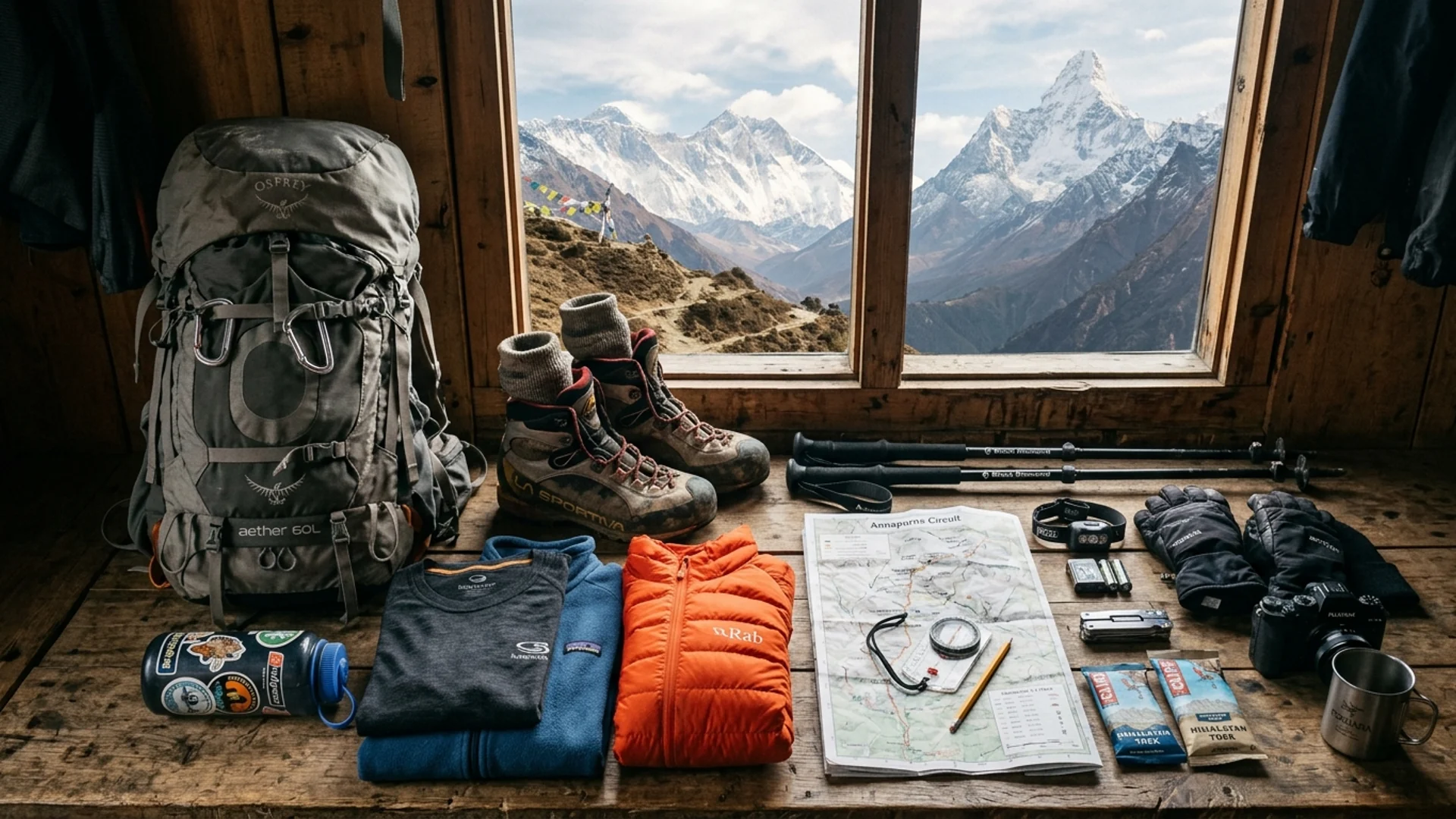
- Sub-zero campsite temperatures (-8°C to -15°C). Requires a thermal base layer, insulating fleece, 700-fill down jacket, and rated sleeping bags.

Yeti Adventure Mountain Operations Desk
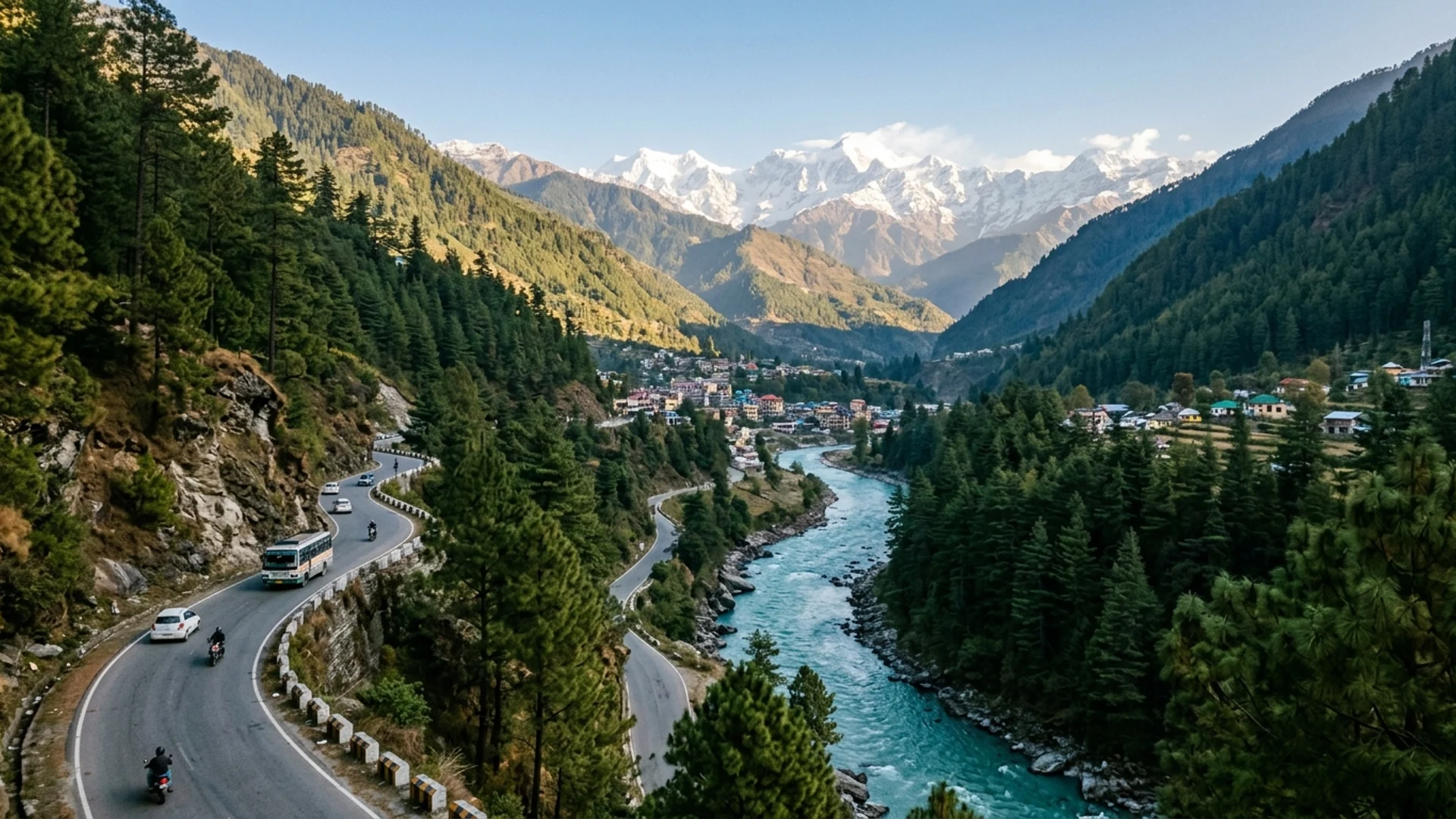
Headquartered at Joshiyara, Uttarkashi along the Bhagirathi River. Led by local mountain pioneers and certified leaders from the Nehru Institute of Mountaineering (NIM), high-altitude first responders, and native Garhwali route guides stationed across Gangotri, Sankri, and Harsil.
Uttarkashi Mountain Operations
Connect directly with local mountain veterans for verified road status, shared Maxx departures, permit guidance, and route advice.
NIM-Certified Mountain Leaders
& Local Garhwali Guides
Daily, 8:00 AM – 8:00 PM IST
Joshiyara, Uttarkashi