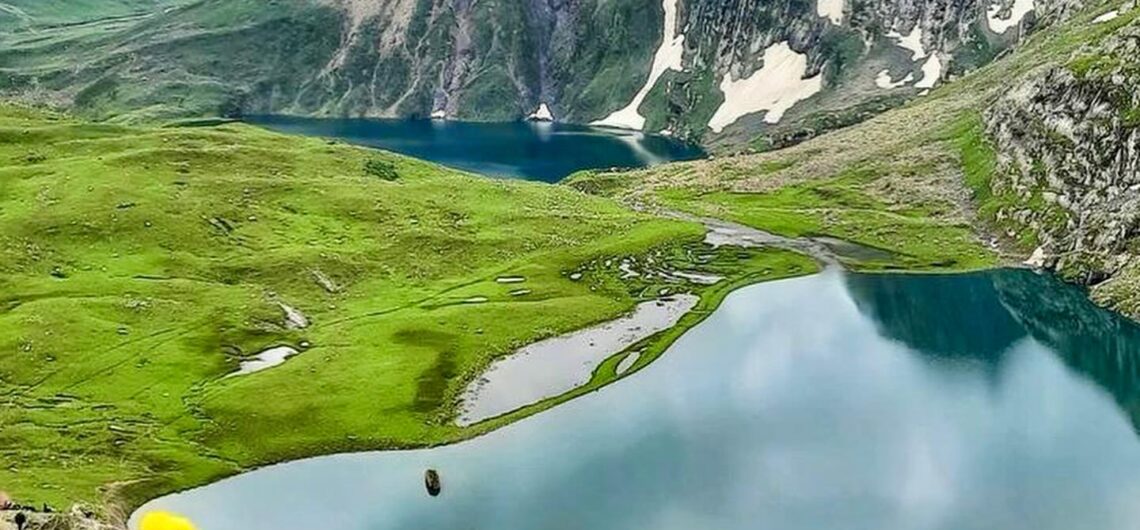
Kashmir is often called “Paradise on Earth,” and if there’s one trek that truly justifies this title, it’s the Kashmir Great Lakes Trek. Nestled in the heart of the Himalayas, this trek is a dream for adventure lovers, offering an unmatched blend of scenic landscapes, high-altitude meadows, glacial lakes, and breathtaking mountain views. Join us at Yeti Adventure as we take you through this once-in-a-lifetime experience!

Why Choose the Kashmir Great Lakes Trek?

If you’re an adventure enthusiast looking for a trek that combines pristine alpine lakes, lush meadows, and rugged mountain trails, the Kashmir Great Lakes Trek (KGL) is the perfect choice. Here’s why:

  • Seven Stunning Lakes: The trek takes you through seven magnificent high-altitude lakes, each with its own unique beauty.
  • Diverse Landscapes: From dense pine forests to vast meadows filled with wildflowers, the changing scenery keeps the trek exciting.
  • Challenging Yet Rewarding: While the trek requires moderate fitness, the spectacular views make every step worth it.
  • Less Crowded: Unlike other popular treks, KGL offers a peaceful, off-the-beaten-path experience.

Kashmir Great Lakes Trek Overview

  • Location: Jammu & Kashmir, India
  • Duration: 7 Days & 6 Nights
  • Altitude: Maximum – 13,800 feet
  • Difficulty Level: Moderate to Difficult
  • Best Time to Visit: July to September
  • Total Distance: Approx. 75 km

Day-wise Itinerary of the Kashmir Great Lakes Trek

Day 1: Arrival in Srinagar – Drive to Sonamarg (7,800 feet)

  • Your journey begins in Srinagar, where our team from Yeti Adventure will pick you up.
  • A 3-hour drive takes you to Sonamarg, a picturesque town surrounded by lush valleys and snow-capped peaks.
  • Acclimatization and overnight stay at a campsite in Sonamarg.

Day 2: Sonamarg to Nichnai (11,500 feet) – 9 km (6-7 Hours Trek)

  • The trek officially begins with a steep ascent through beautiful meadows.
  • You’ll pass Maple and Pine forests, cross a few streams, and gradually gain altitude.
  • After 6-7 hours of trekking, we reach the Nichnai campsite, set in a stunning valley with a stream flowing nearby.

Day 3: Nichnai to Vishansar Lake (12,000 feet) – 12 km (6-7 Hours Trek)

  • The trail takes you over the Nichnai Pass (13,100 feet), offering breathtaking panoramic views.
  • A gentle descent brings you to Vishansar Lake, one of the most stunning lakes on the trek.
  • Vishansar Lake reflects the surrounding mountains like a mirror, creating a surreal landscape.

Day 4: Vishansar to Gadsar (13,750 feet) – 14 km (7-8 Hours Trek)

  • Today’s trek includes a steep climb to Gadsar Pass (13,800 feet), the highest point of the trek.
  • The view from the top is jaw-dropping, with Vishansar and Krishansar Lakes visible below.
  • A descent through meadows filled with wildflowers leads to Gadsar Lake, known for its blue waters.

Day 5: Gadsar to Satsar Lakes (12,000 feet) – 12 km (6-7 Hours Trek)

  • The terrain today is relatively easier, passing through beautiful rolling meadows.
  • You’ll trek alongside snow-fed streams before reaching the Satsar Lakes, a collection of small alpine lakes.
  • Enjoy a peaceful night at the Satsar campsite, surrounded by untouched nature.

Day 6: Satsar to Gangbal Twin Lakes (11,500 feet) – 11 km (6-7 Hours Trek)

  • A challenging yet rewarding day! You’ll cross rocky terrains and reach Zaj Pass (13,400 feet).
  • From the top, you get a breathtaking view of the twin lakes – Gangbal and Nundkol.
  • A steep descent leads to Gangbal Lake, a serene spot perfect for unwinding.

Day 7: Gangbal to Naranag – Drive to Srinagar

  • The final day of trekking involves a steep descent through forests and meadows.
  • You’ll reach Naranag, a small village with an ancient temple complex.
  • A drive back to Srinagar marks the end of this unforgettable trek with Yeti Adventure.

Best Time to Do the Kashmir Great Lakes Trek

The ideal time to embark on this trek is from July to September. During these months:

The lakes are at their best, reflecting deep blue hues.
Meadows are lush green, covered with wildflowers.
Weather remains pleasant, with temperatures ranging between 5°C to 20°C.

Difficulty Level and Fitness Requirements

  • This is a moderate to difficult trek, requiring good physical fitness.
  • You should be comfortable walking 10-14 km daily on varied terrains.
  • Cardiovascular endurance is key – regular running, cycling, or stair climbing can help in preparation.

Essential Packing List for the Kashmir Great Lakes Trek

Here’s a checklist of things you’ll need:

Clothing

✔️ Layered Clothing – Thermals, fleece jackets, and a waterproof outer layer.
✔️ Trekking Pants – Quick-dry and comfortable.
✔️ Gloves & Woolen Socks – Essential for cold nights.

Gear & Equipment

✔️ Backpack (50-60L) – Lightweight and sturdy.
✔️ Trekking Shoes – Waterproof with good grip.
✔️ Sleeping Bag – If not provided by the trek operator.
✔️ Trekking Poles – Helpful for steep descents.

Other Essentials

✔️ Sunscreen & Sunglasses – To protect against high-altitude sun exposure.
✔️ Headlamp – For night walks.
✔️ Water Bottle & Purification Tablets – Safe drinking water is essential.

Why Choose Yeti Adventure for the Kashmir Great Lakes Trek?

At Yeti Adventure, we ensure a safe, memorable, and well-organized trekking experience. Here’s what sets us apart:

✔️ Experienced Trek Leaders – Our guides are highly trained in high-altitude trekking.
✔️ Top-notch Safety Measures – Oxygen cylinders, first aid, and emergency backup plans.
✔️ Comfortable Camping – High-quality tents and sleeping bags for a cozy night under the stars.
✔️ Delicious Meals – Nutritious and tasty food to keep you energized throughout.

Final Thoughts

The Kashmir Great Lakes Trek is not just a trek – it’s a soul-stirring journey through some of the most picturesque landscapes on Earth. If you’re looking for an adventure that combines raw natural beauty, thrilling trails, and serene alpine lakes, this is the perfect trek for you.

So, are you ready to experience paradise? Join Yeti Adventure on this breathtaking journey and create memories that will last a lifetime!
Nestled in the lap of Uttarakhand’s Garhwal region, Dayara Bugyal is a trekkers’ paradise that enchants visitors with its stunning landscapes, serene meadows, and breathtaking views of the Himalayas. At an elevation of about 12,000 feet, this high-altitude alpine meadow is accessible year-round and offers a distinct charm in every season. Whether you’re seeking the lush greenery of summer, the golden hues of autumn, or the pristine white snow in winter, Dayara Bugyal is a trekker’s dream destination.

In this blog, we explore how Dayara Bugyal transforms through different seasons, making it an alluring spot for nature enthusiasts and adventure seekers alike.

Dayara Bugyal in Spring (March to May)

Spring is when nature begins to wake up from its wintry slumber, and Dayara Bugyal is no exception. The meadows are painted in vibrant shades of green, dotted with blooming wildflowers. Rhododendrons in hues of pink and red add a colorful touch to the landscape, creating an awe-inspiring sight for trekkers.

Highlights of Spring:

  • Ideal weather with mild temperatures ranging between 8°C to 15°C.
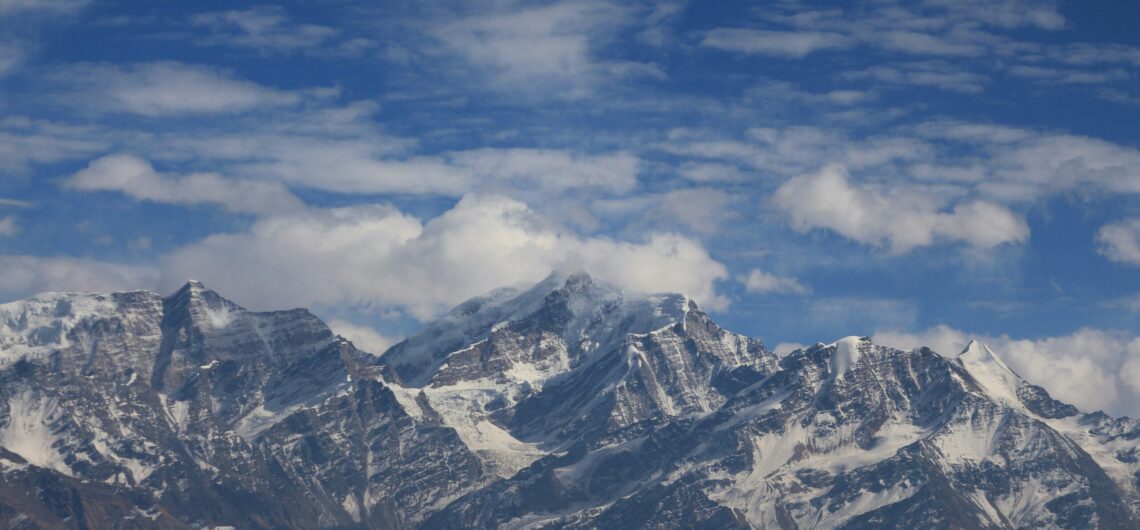
  • Clear skies offer stunning views of the Himalayan peaks like Bandarpoonch, Black Peak, and Gangotri.
  • Spring is perfect for bird watchers as the area is home to numerous avian species that are more active during this season.

Why Visit in Spring? If you’re someone who loves pleasant weather, vibrant flora, and a rejuvenating atmosphere, spring is the best time to visit Dayara Bugyal. The trek is moderately challenging, making it perfect for beginners and experienced trekkers alike.

Dayara Bugyal in Summer (June to August)

Summers in Dayara Bugyal are nothing short of magical. The meadows are lush and green, stretching as far as the eye can see. The cool breeze, warm sunshine, and stunning vistas make summer an ideal time to escape the scorching heat of the plains.

Highlights of Summer:

  • The temperature stays between 10°C to 20°C, making it pleasant for trekking.
  • The lush greenery is at its peak, offering picturesque views.
  • The streams and waterfalls are in full flow, adding to the charm of the landscape.

Why Visit in Summer? Summer is perfect for trekkers who want to experience Dayara Bugyal’s raw beauty without braving extreme weather. The easy trails, combined with panoramic views, make it an excellent time for family treks.

Dayara Bugyal in Monsoon (July to September)

Monsoons bring a different kind of magic to Dayara Bugyal. The rains breathe life into the surroundings, making the meadows even more vibrant. However, trekking during this time can be challenging due to slippery trails and unpredictable weather.

Highlights of Monsoon:

  • The temperature ranges between 12°C to 18°C.
  • The meadows are lush and serene, with fewer crowds.
  • Photographers can capture the beauty of mist-covered mountains and dramatic skies.

Why Visit in Monsoon? If you’re an experienced trekker who loves solitude and the romance of monsoon rains, this is the season for you. Just be sure to carry proper rain gear and be prepared for muddy trails.

Dayara Bugyal in Autumn (October to November)

Autumn is arguably one of the best seasons to visit Dayara Bugyal. The skies are clear, the air is crisp, and the meadows take on a golden hue. The transition from summer to winter creates a unique landscape that feels almost surreal.

Highlights of Autumn:

  • Temperatures range from 5°C to 15°C.
  • Crystal-clear views of snow-capped peaks.
  • The trails are dry and easy to navigate.

Why Visit in Autumn? Autumn offers the perfect combination of pleasant weather and stunning vistas. If you’re a photography enthusiast, this season provides ample opportunities to capture breathtaking shots of the Himalayas.

Dayara Bugyal in Winter (December to February)

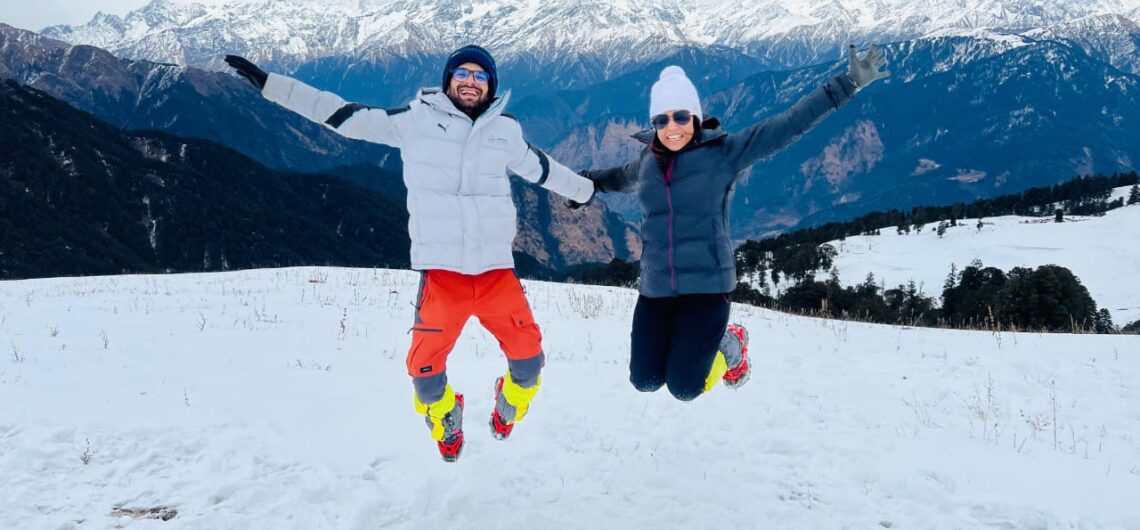
When winter arrives, Dayara Bugyal transforms into a snowy wonderland. The meadows are blanketed in pristine snow, making it a haven for snow trekkers and adventure seekers.

Highlights of Winter:

  • Temperatures can dip as low as -5°C, with daytime temperatures hovering around 5°C.
  • The meadows turn into a vast white expanse, perfect for skiing and snow trekking.
  • The serenity of the snow-covered landscape is unparalleled.

Why Visit in Winter? If you’re an adventure enthusiast who loves trekking in snow, winter is the time to visit Dayara Bugyal. The trails are more challenging, but the experience of walking through snow-laden meadows is worth every effort.

How to Reach Dayara Bugyal

Dayara Bugyal is accessible from Raithal or Barsu, two quaint villages in Uttarakhand that serve as the starting points for the trek. Both villages are well-connected by road to Dehradun, which is the nearest railway station and airport.

  • By Air: Jolly Grant Airport, Dehradun (approximately 180 km from Barsu/Raithal).
  • By Rail: Dehradun Railway Station (about 150 km away).
  • By Road: Private taxis and buses are available from Dehradun, Rishikesh, and Haridwar.

Tips for Trekking Dayara Bugyal

  1. Pack Smart: Carry essential gear such as trekking shoes, weather-appropriate clothing, and a first-aid kit.
  2. Stay Hydrated: Keep a reusable water bottle handy to stay hydrated during the trek.
  3. Respect Nature: Avoid littering and follow sustainable trekking practices.
  4. Hire a Guide: If you’re trekking in winter or monsoon, hiring a local guide is highly recommended.

Final Thoughts

Dayara Bugyal is one of those rare destinations that offers something unique in every season. Whether you’re a seasoned trekker or a beginner looking for your first adventure, this high-altitude meadow promises an unforgettable experience. From the vibrant greens of summer to the snow-covered trails of winter, each season paints Dayara Bugyal in a new light. So, pack your bags, lace up your trekking boots, and let this enchanting meadow take your breath away—no matter when you visit.

Introduction to Himalayan Trekking

The Himalayas, renowned for their majestic peaks and serene beauty, offer some of the most captivating trekking experiences in the world. Each trek unveils a tapestry of stunning landscapes, ranging from lush valleys and dense forests to snow-covered summits that challenge adventurers. The allure of Himalayan trekking lies not only in its breathtaking scenery but also in its rich cultural experience, where trekkers can interact with diverse communities and learn about their traditions, lifestyles, and beliefs.

Trekking in this magnificent mountain range provides an escape into nature, allowing trekkers to absorb the tranquility of their surroundings while also fostering a sense of accomplishment as they navigate the various trails. The routes vary significantly, catering to different skill levels and preferences, which adds to their universal appeal. Whether one seeks the challenge of a rigorous climb or a leisurely stroll through picturesque meadows, the Himalayas accommodate all.

Among the numerous trails available, three standout treks are Dayara Bugyal, Kedarkantha, and Gaumukh Tapovan. Dayara Bugyal is celebrated for its panoramic views and verdant meadows that flower beautifully in summer, making it a perfect choice for those wanting to enjoy natural beauty without extreme altitude. In contrast, Kedarkantha appeals to adventurers looking for a thrilling winter experience, as its snow-laden paths offer a delightful challenge amid stunning winter landscapes. Finally, the Gaumukh Tapovan trek, which leads trekkers to the source of the Ganges, presents a spiritual and cultural journey along with awe-inspiring views of the mighty peaks surrounding the region, such as Shivling and Bhagirathi.

This blog post will delve deeper into each of these incredible treks, showcasing their unique characteristics and inviting you to choose the one that aligns best with your trekking aspirations. The Himalayas await, ready to offer an unforgettable adventure.

Dayara Bugyal: The Scenic Meadows

The Dayara Bugyal trek, located in the Uttarkashi district of Uttarakhand, is renowned for its magnificent green meadows surrounded by majestic Himalayan peaks. This trek offers an idyllic setting for nature enthusiasts and adventure seekers alike, presenting breathtaking views that make it a coveted destination in the Indian Himalayas. The trek is best undertaken between May and October, when the meadows are lush and the weather is generally pleasant, with temperatures ranging from 10°C to 20°C during the day.

In terms of difficulty, the Dayara Bugyal trek is categorized as moderate. This makes it an excellent option for both novice trekkers and experienced hikers alike. The trail winds through forests of oak and rhododendron and ascends gently, allowing trekkers to acclimatize to the altitude while enjoying the various landscapes along the way. The terrain is generally well-defined, though some sections can be steep, especially as you approach the bugyal itself.

During the ascent, trekkers will encounter stunning panoramic views of notable peaks including Bandarpoonch, Black Peak, and the Swargarohini range. The enchanting meadows provide a unique opportunity for wildlife sightings, as one might spot rare species such as the Himalayan Black Bear and various species of birds. As you traverse this breathtaking landscape, the serenity of the environment serves as a perfect backdrop for introspection and connection with nature.

One of the highlights of the Dayara Bugyal trek is the expansive meadows at an altitude of approximately 3,400 meters. Upon reaching this destination, trekkers are rewarded with sweeping views of the surrounding valleys and peaks, making it an ideal location for camping under the stars. Overall, the Dayara Bugyal trek offers an unforgettable experience that combines natural beauty, adventure, and tranquility.

Kedarkantha: The Perfect Winter Trek

Kedarkantha is celebrated among trekking enthusiasts as a quintessential winter trek that showcases the enchanting beauty of the Himalayas during the colder months. Located in the Govind Wildlife Sanctuary in Uttarakhand, the trek offers mesmerizing snow-covered trails and pristine white landscapes that render it a haven for nature lovers. The trek, stretching approximately 20 kilometers from Sankri, leads adventurers through charming pine forests, inviting clearings, and stunning campsites, making every step an unforgettable experience.

One of the most alluring aspects of the Kedarkantha trek is the remarkable summit view. Standing at an elevation of 12,500 feet, trekkers can witness a breathtaking panorama of the surrounding snow-capped mountains, including the majestic peaks of Swargarohini and Black Peak. The summit experience is further accentuated by the tranquility of the surroundings and the sheer beauty of the winter scenery. Photographers and nature admirers are rewarded with incredible opportunities to capture the stark contrast of the bright blue sky against the shimmering white snow.

The level of difficulty for the Kedarkantha trek is generally classified as moderate, making it accessible to most trekking enthusiasts, including beginners. However, preparations are essential to tackle the winter conditions effectively. Trekkers should equip themselves with essential gear such as insulated jackets, thermal layers, snow boots, and trekking poles to ensure a comfortable and safe journey. Additionally, proper acclimatization and hydration practices are crucial to enjoying the trek fully.

The ideal time to embark on the Kedarkantha trek is from late December to April, coinciding with the winter months when the trails are abundantly covered in snow. This period transforms the trek into a striking winter wonderland, offering an unparalleled Himalayan adventure that stands out among other trekking opportunities.

Gaumukh Tapovan: A Spiritual Journey

The Gaumukh Tapovan trek is not merely a physical journey but a spiritual odyssey that beckons trekkers seeking tranquility and connection with nature. Nestled in the Garhwal region of Uttarakhand, this trek is closely associated with the Ganges River, revered in Hindu mythology as the sacred Ganga. The journey begins at Gaumukh, the source of the Ganges, where the majestic Gangotri Glacier stands, captivating trekkers with its sheer size and serene beauty.

As you embark on the trek, the mesmerizing views of the Gangotri Glacier unfold, providing an awe-inspiring backdrop. The trek to Tapovan, located at an altitude of approximately 4,500 meters, presents a blend of breathtaking panoramas and challenging hikes. The trail involves steep ascents, rocky terrains, and occasional snow patches, making it suitable for experienced trekkers. Those seeking this adventure should be prepared for a strenuous hike, requiring a good level of fitness and resilience. The trek is considered moderately difficult, and participants should plan accordingly to enhance their experience.

Permits are required for the Gaumukh Tapovan trek, necessitating timely application through the appropriate authorities. The best time to embark on this trek is from late April to early June or from September to October, when the weather is more favorable and the chances of encountering snow are minimal. During the trek, you will also gain insights into the local culture, legends, and traditions of the Garhwal community. The serene atmosphere of Tapovan, surrounded by towering peaks and lush meadows, offers an ideal setting for reflection and reverence, adding a significant spiritual dimension to this remarkable journey in the Himalayas.